



Key Takeaways:
- Understand what each tier means.
- Know the difference between a waterfall and an LPI model.
- Use your knowledge to negotiate more equity into your investment or fund.
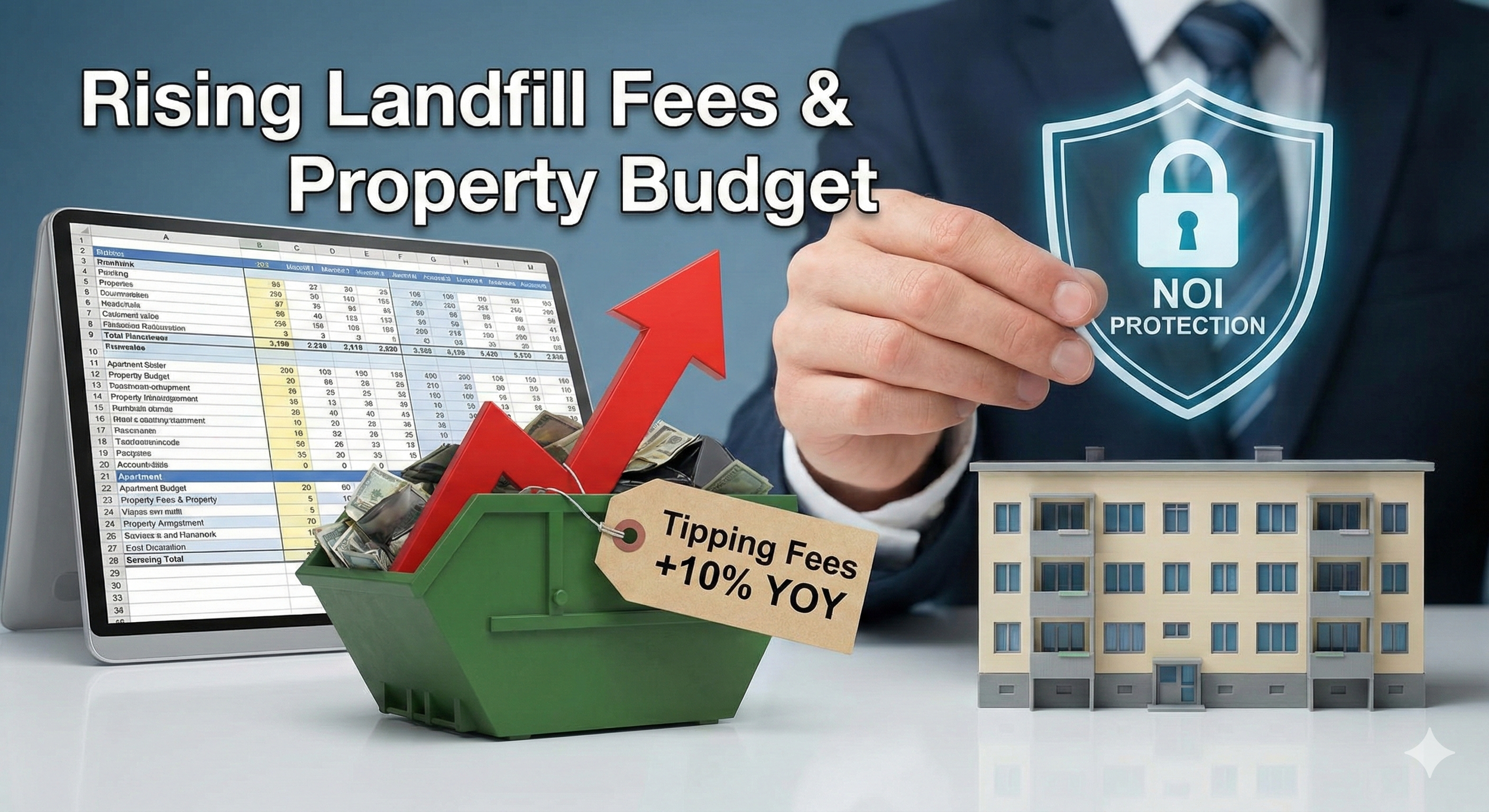
Rising landfill fees are driving up multifamily waste costs nationwide. Learn why disposal is getting more expensive—and how smarter apartment recycling and diversion strategies can protect your NOI before fees climb even higher.
The Frequency Sweet Spot: Why 5 Nights is the Industry Standard
While residents produce waste every day, the valet trash industry has identified a "sweet spot" for collection frequency that maximizes convenience while maintaining operational efficiency: five nights per week, typically Sunday through Thursday, starting at 8:00 PM. Still, every community is different!
Why this schedule? It aligns perfectly with the natural rhythms of multifamily living. Sunday evening is critical for clearing weekend accumulation before the work week begins, while midweek pickups handle daily household waste. Friday and Saturday nights are generally excluded to allow residents privacy during their leisure weekends and to reduce foot traffic in hallways during social hours.
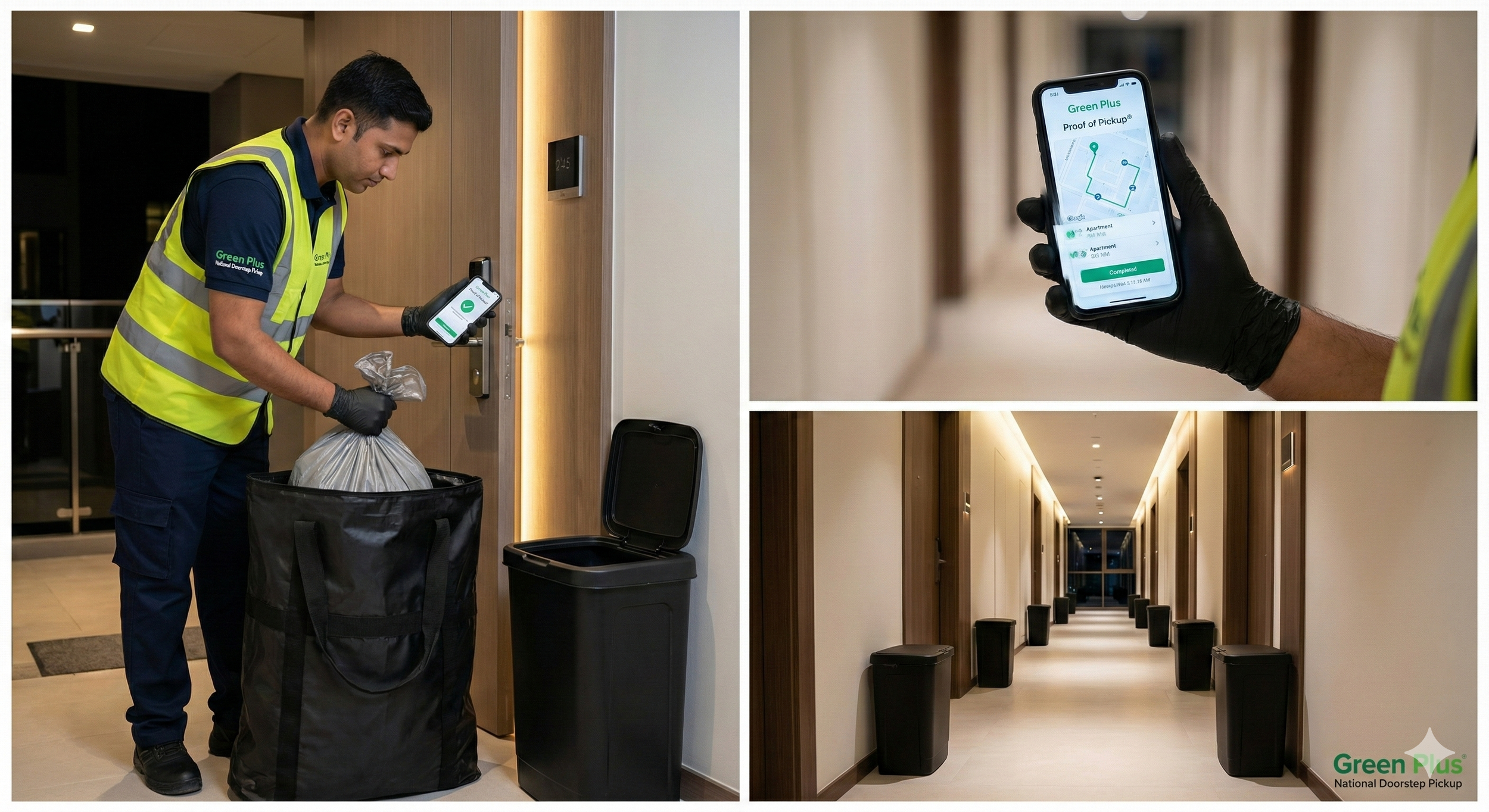
However, frequency means nothing without reliability. A missed pickup on a Tuesday means overflow on Wednesday. That is why Green Plus doesn't just commit to a schedule; we verify it. Utilizing our Proof of Pickup® technology, our uniformed porters scan each container, providing property managers with real-time data and visual confirmation that "Every Door. Every Night.®" is more than a slogan—it’s a verifiable reality.
Facing recycling mandates? National Doorstep® helps multifamily properties avoid fines, reduce dumpster pull fees, and increase NOI—nationwide. Apartment recycling compliance made simple.
With 500k+ new units, competition is peaking in Austin, Nashville, Atlanta, Charlotte, Tampa, Denver & Raleigh-Durham. As strict waste mandates rise, owners face a dual test: standing out to residents while ensuring compliance. Success now demands balancing top amenities with verifiable sustainability.
Have you ever walked into a home and felt like the walls were caving in on you? Then, it felt like we should have been doing more regular inspections! It could be because the owners had too much stuff crammed into a tiny space. There's no bullet-proof strategy to sidestep hoarding. But usually, one of the best precautions is screening residents closely before signing a lease. Filter well to minimize the risk of hoarders taking over your property – a headache any property manager will want to avoid, if possible.
It’s is crucial to understand what goes into a project’s pro forma. This necessitates a fundamental knowledge of the soft costs and hard costs associated with the development project. These costs can be challenging to determine. Still, it always makes sense to have high confidence in the budget before moving forward.
Sometimes, term sheets are clear on intention, but a quick and cursory review might often point to the wrong conclusion. The exercise here is to be accurate, explicit, and precise with syntax. Managing proper real estate terminology, especially in drafting term sheets or negotiating joint venture structures, is crucial to professionalism and successful deal-making.
In some ways, choosing a general contractor is like choosing a spouse – choose wisely, and things will go well, but chose poorly, and you could be in for serious trouble. Like a spouse, you’ll typically have to communicate and negotiate with your contractor regularly. A good GC needs to be reliable, trustworthy, communicative, and financially responsible since you’ll be trusting them with hundreds of thousands (if not millions!) of dollars. In addition, a GC should be able to negotiate the complex relationships between city officials, architects, lenders, and subcontractors in a way that makes your project go as smoothly as possible.
If everything at the property is in as-expected condition, now is your time to seal the deal! Finalize any negotiations with the seller and bake the final numbers into your underwriting. If the numbers still work, including the cost of any capital improvements, you could soon be the proud new owner of a larger apartment community – a great way to grow and scale your real estate portfolio.
These considerations are notwithstanding, the nature of the deal – including the conditions imposed by the senior lender – will principally dictate which of these financing tools, Preferred Equity or Mezzanine Debt is most appropriate. Like all savvy shoppers around, talk with many different bankers to distinguish which products are best for you or your group.
Commercial real estate, once deemed an alternative investment, is growing more mainstream. Opportunities that were once only accessible to institutional investors and other high-net-worth individuals are now advancing their way to the masses thanks in part to REITs. We foresee this trend to continue as more people look for ways to broaden their investment portfolios.
We will see how this coronavirus pandemic will reshape the housing market. To date, the impacts have been limited. This could change, mainly if there’s a retreat in lending. But most investors continue to be bullish on the U.S. housing market, with good reason. Evidence of substantial rent collections, few defaults, limited inventory, and historically low interest rates will bolster the industry.