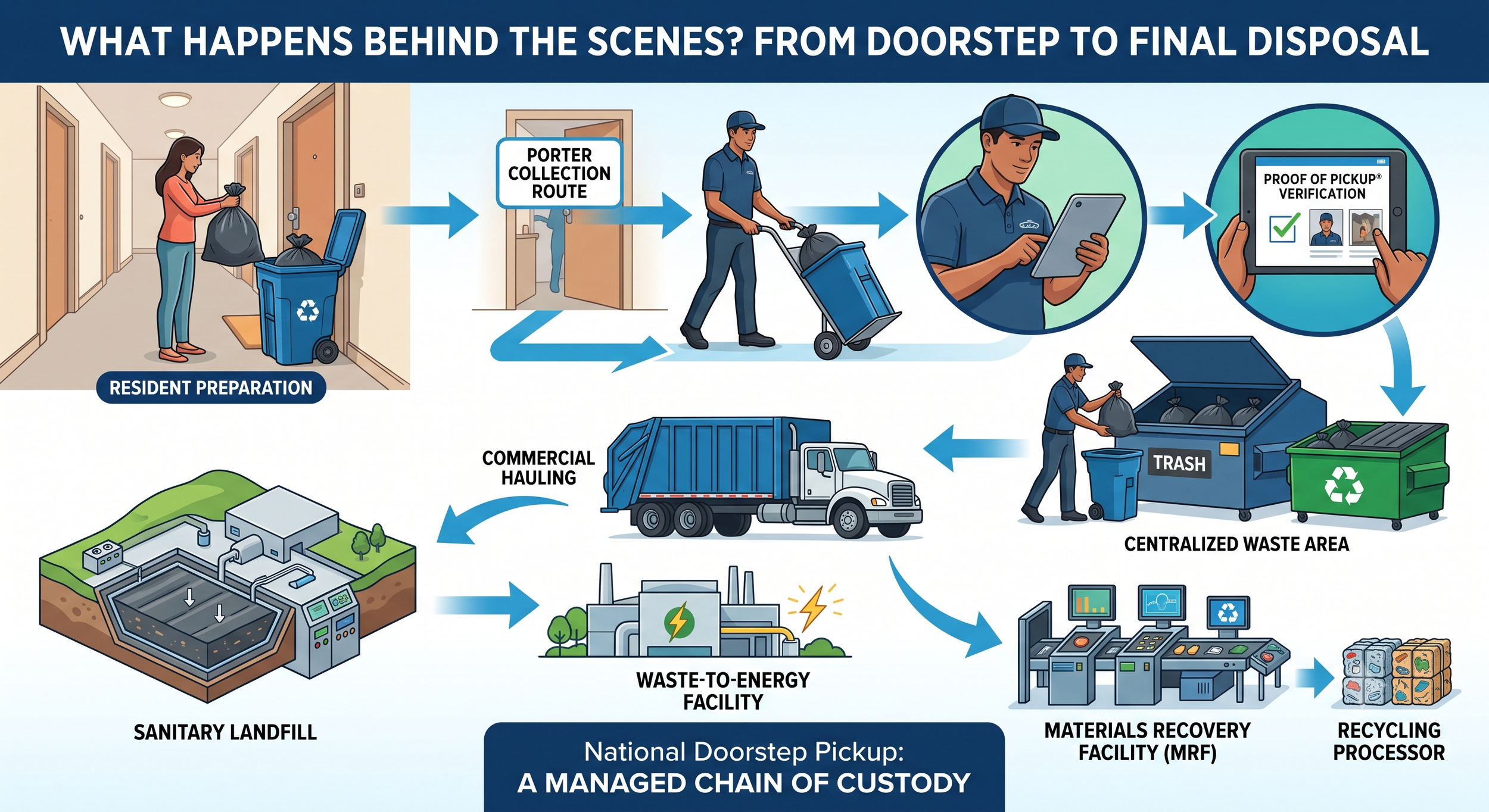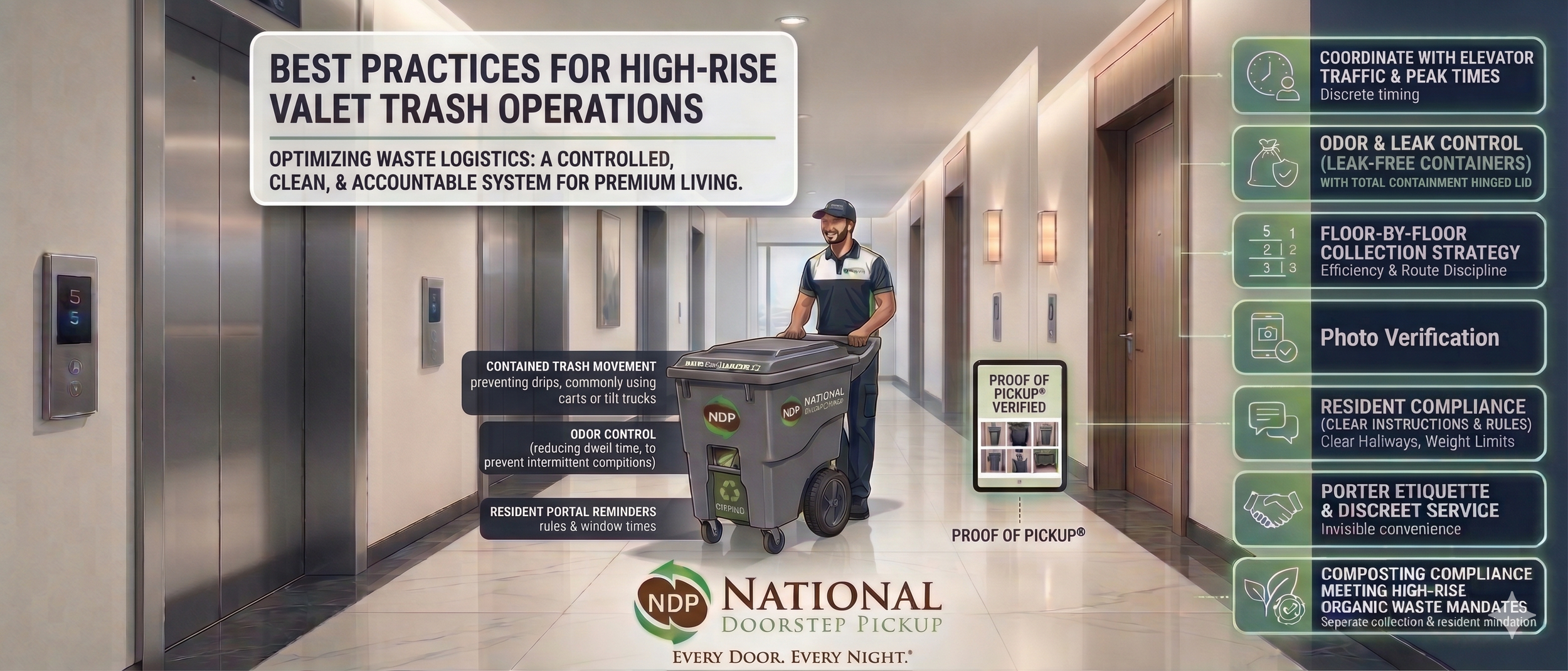

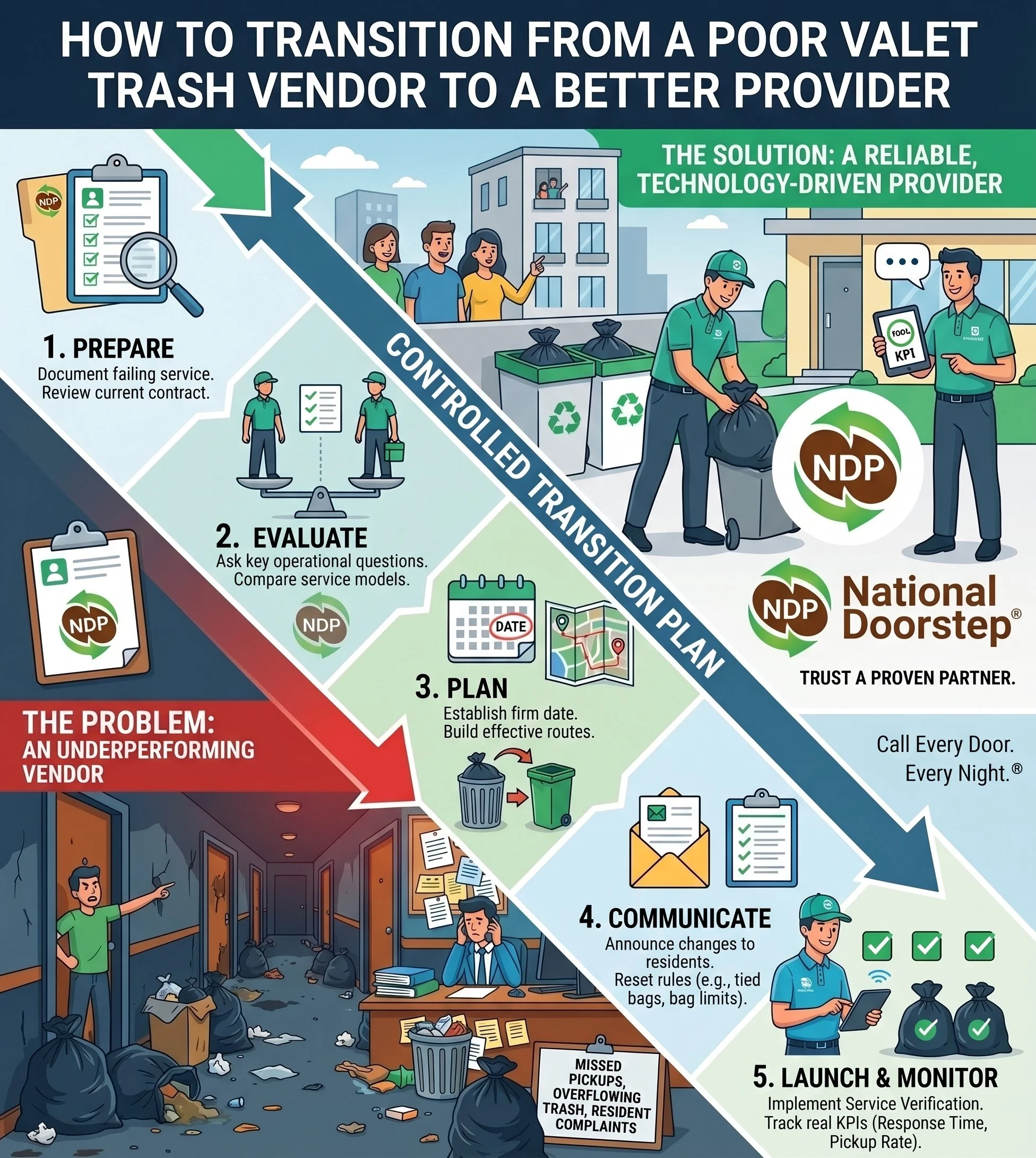
Poor valet trash service hurting resident satisfaction? Learn how to replace an underperforming valet trash vendor, avoid service disruption, and choose a better provider.
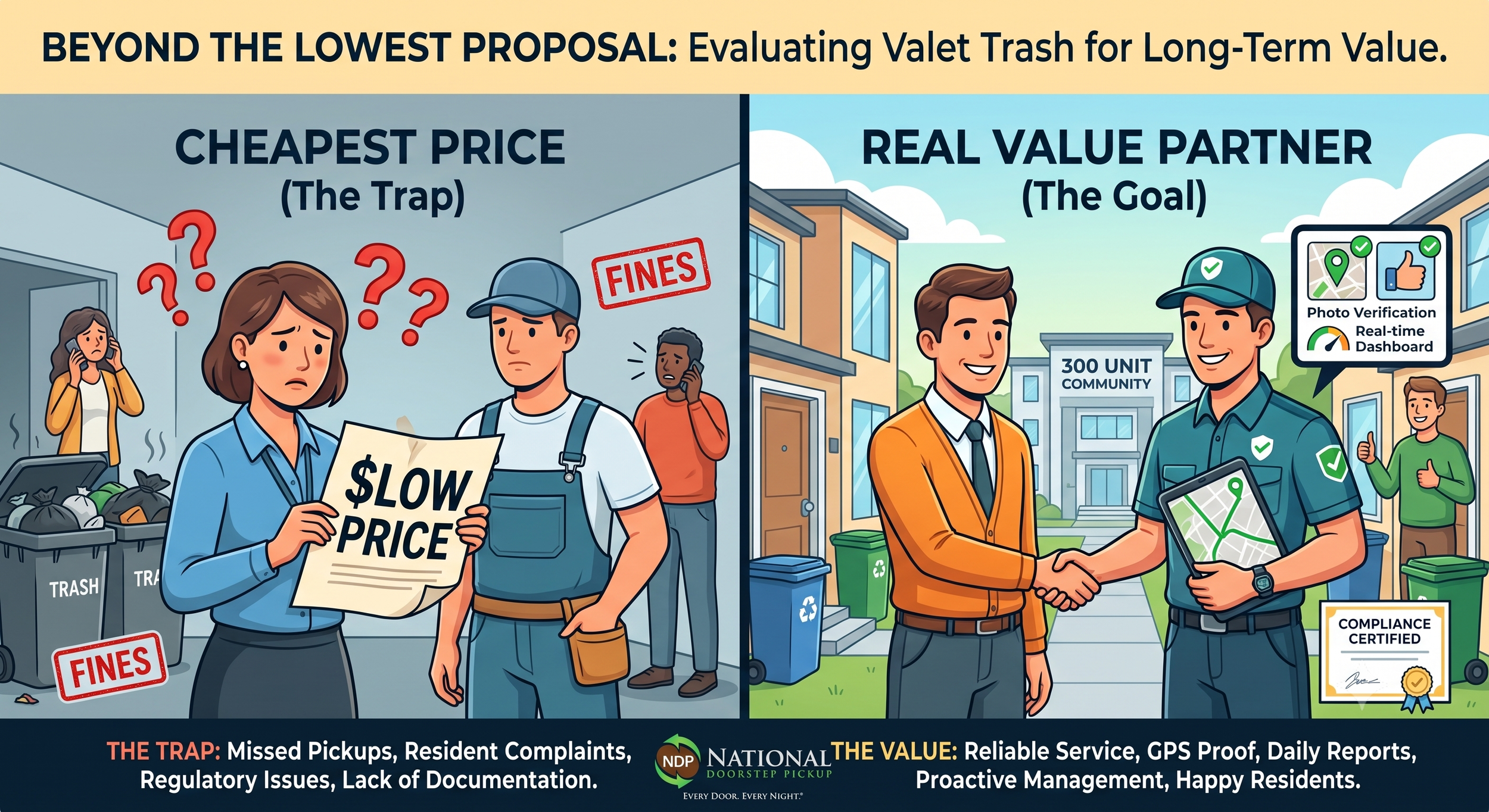
Choosing a valet trash provider isn't just about price. For a typical 300-unit apartment community, the difference between a national company and a regional vendor can impact resident satisfaction, compliance, staffing continuity, and your property's long-term operating costs. Here's what property managers should compare before signing a contract.
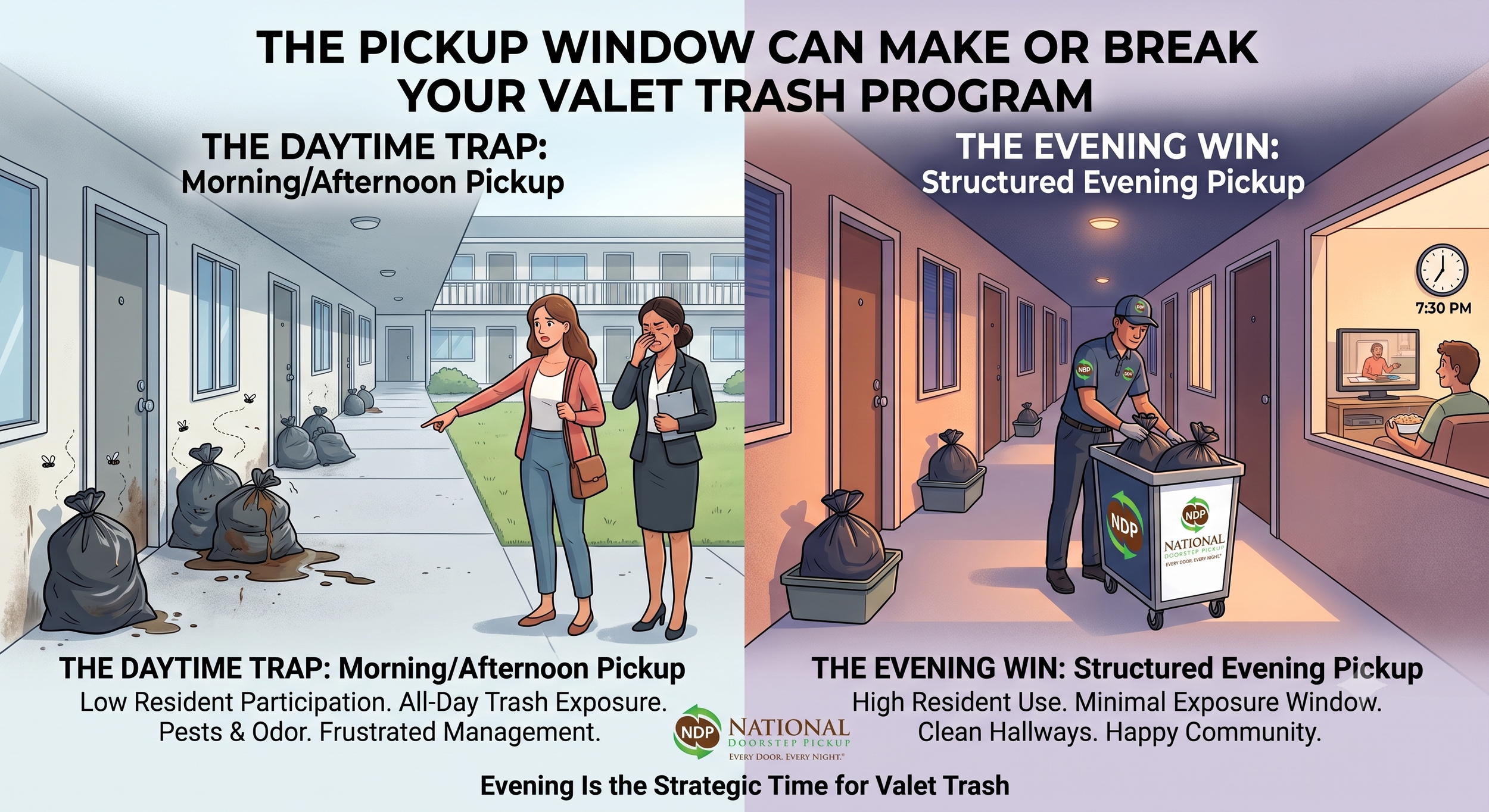
The right valet trash pickup window can make or break your apartment community’s trash program. Here’s why evening valet trash service is usually the cleanest, safest, most resident-friendly, and most operationally reliable choice for multifamily properties.
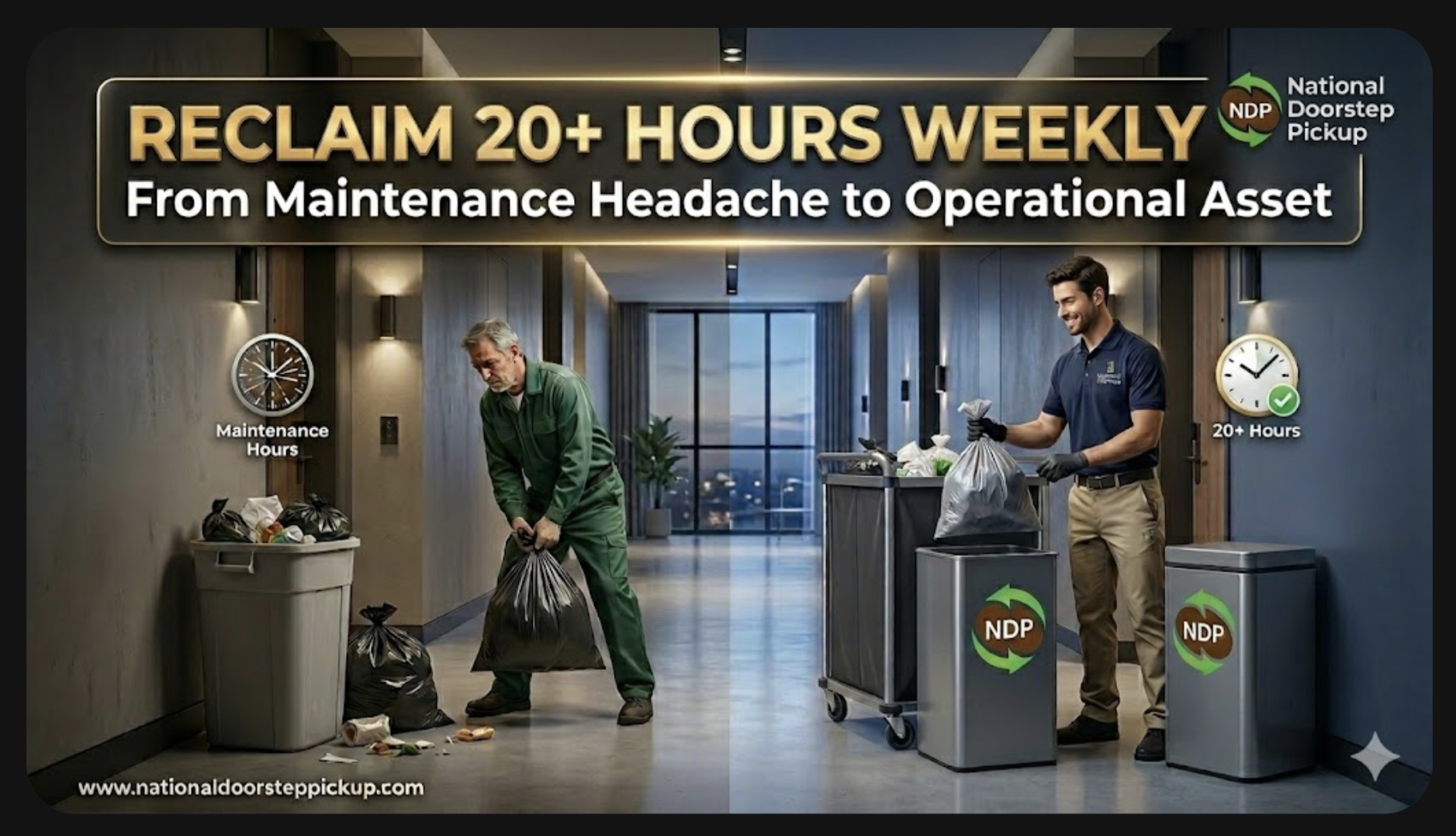
Trash problems quietly drain maintenance teams every week—overflowing dumpsters, resident complaints, hallway bags, bulk items, and constant cleanup pulls staff away from higher-value work. This article breaks down how apartment communities can turn valet trash from a simple convenience into an operational asset that helps regional managers, asset managers, and on-site property teams reclaim 20+ hours per week, improve curb appeal, reduce daily fires, and create a cleaner resident experience. For multifamily operators looking to protect NOI and streamline property operations, valet trash is more than pickup—it’s a labor-saving system.
The NMHC Top 50 rankings are out—but the real story isn’t who’s biggest. It’s how fragmented the apartment industry has become—and why operational efficiency is now the only competitive edge.
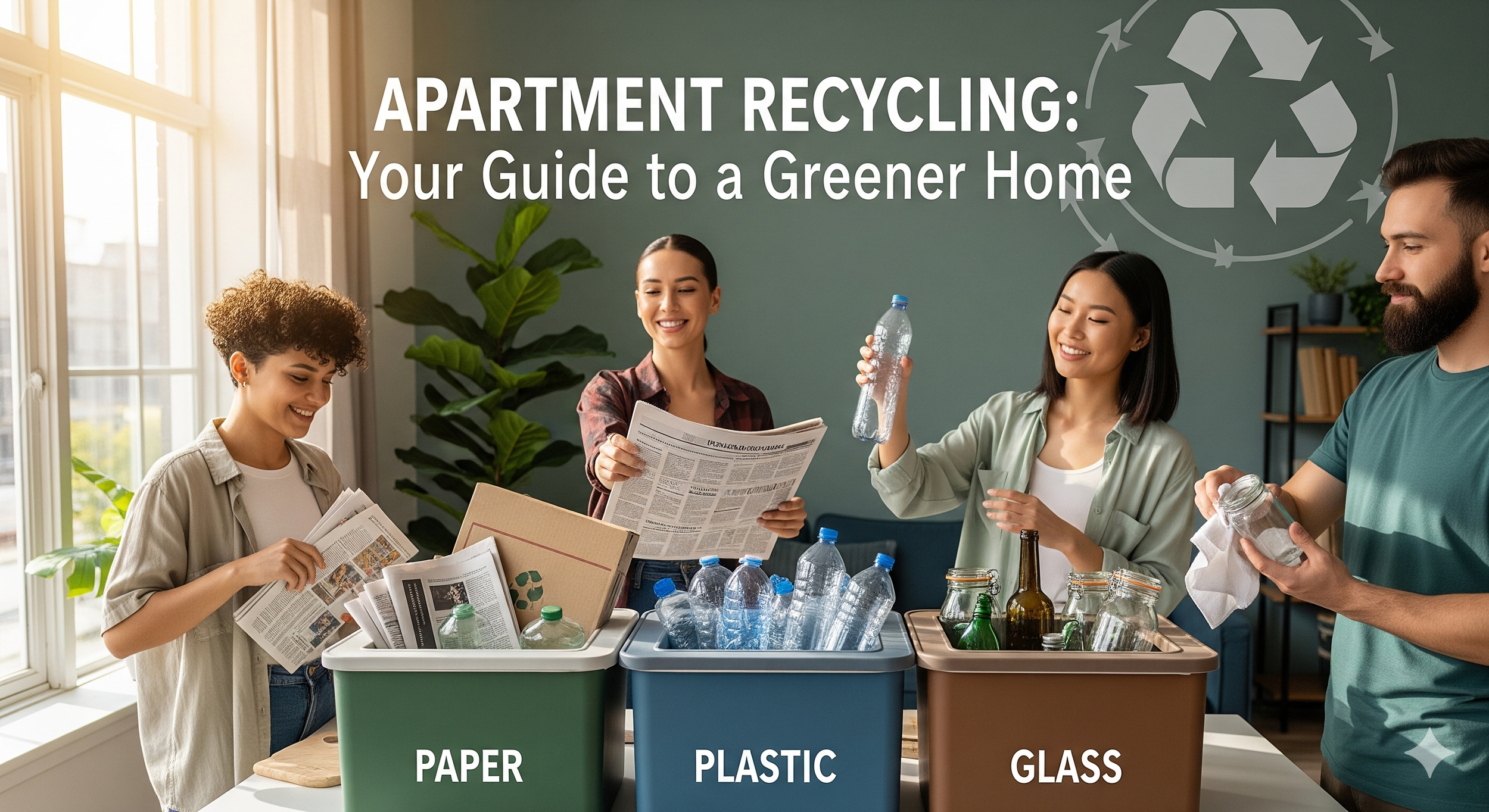
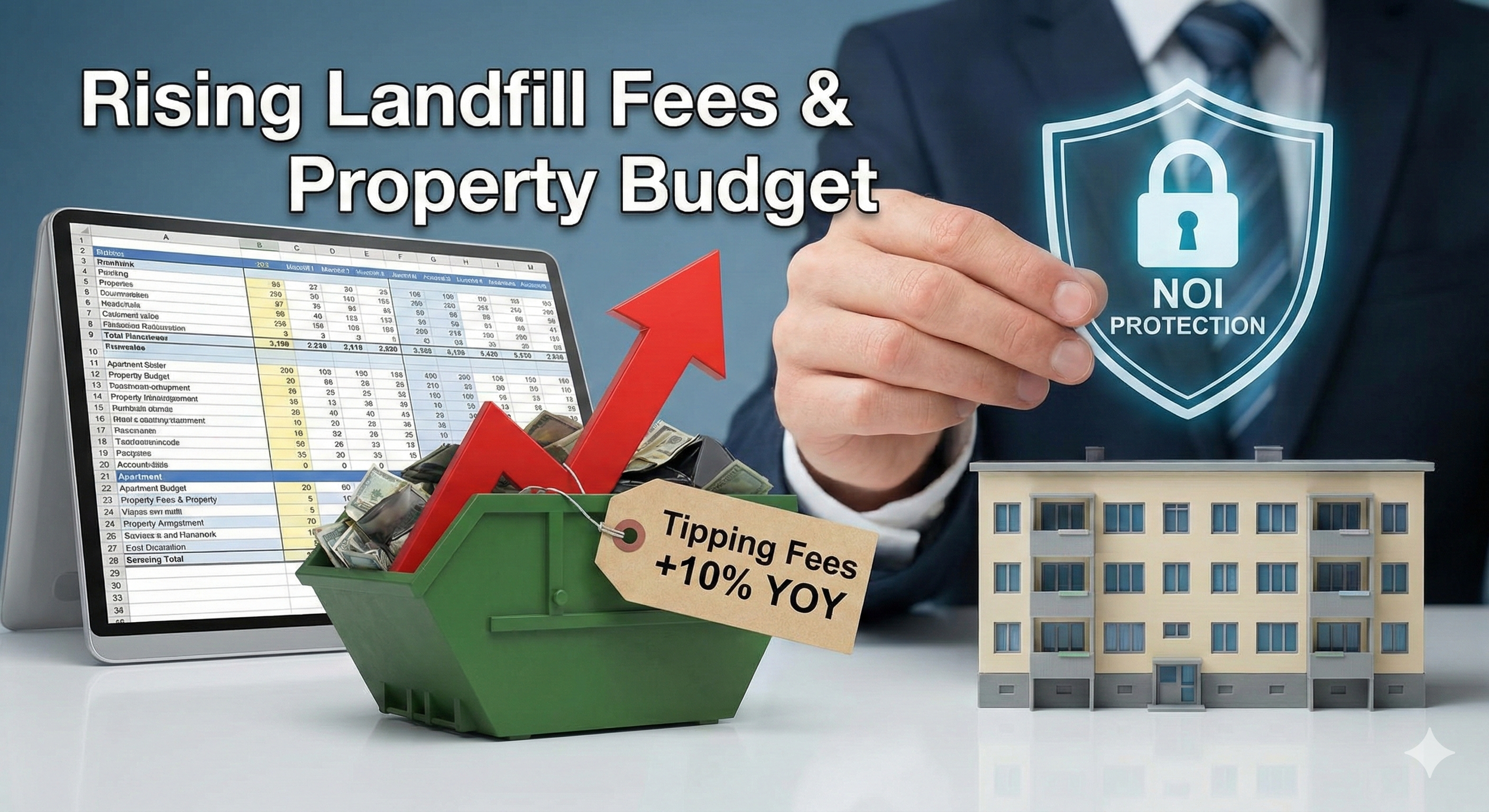
Rising landfill fees are driving up multifamily waste costs nationwide. Learn why disposal is getting more expensive—and how smarter apartment recycling and diversion strategies can protect your NOI before fees climb even higher.
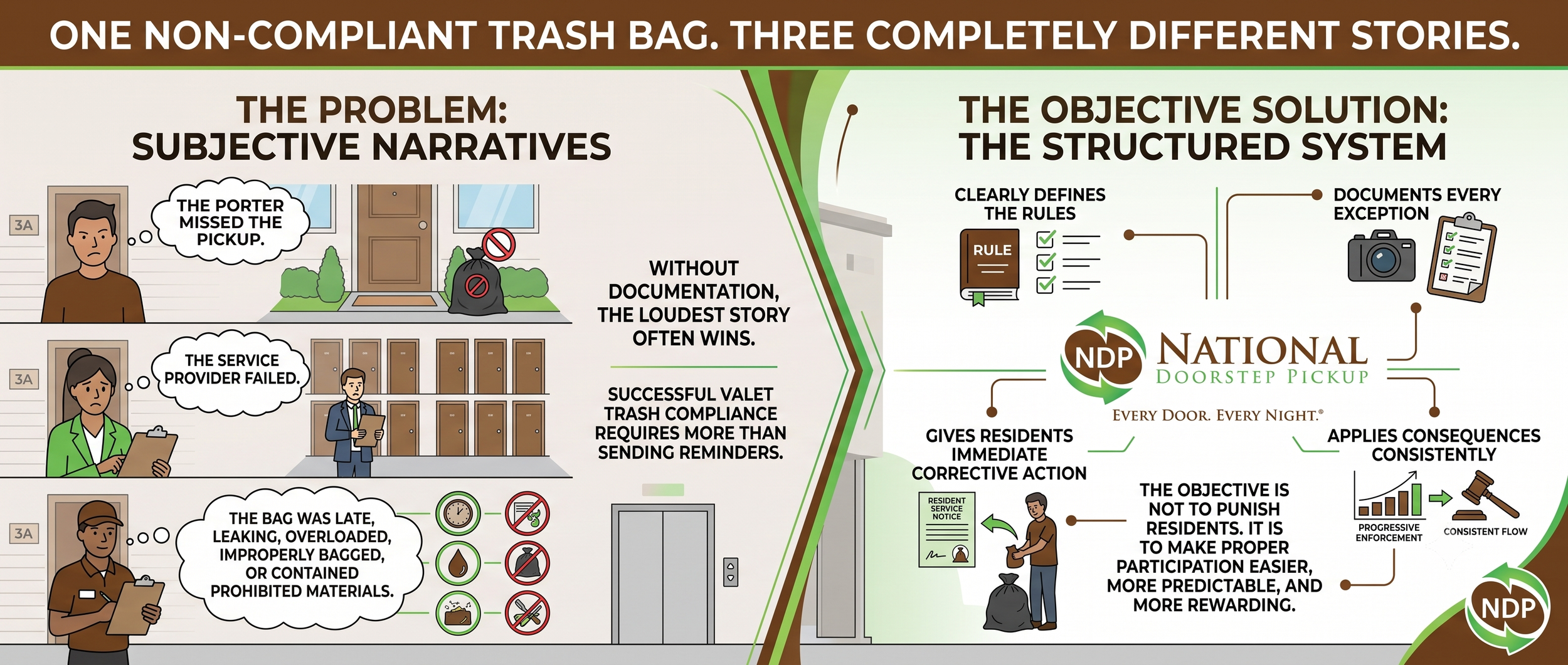
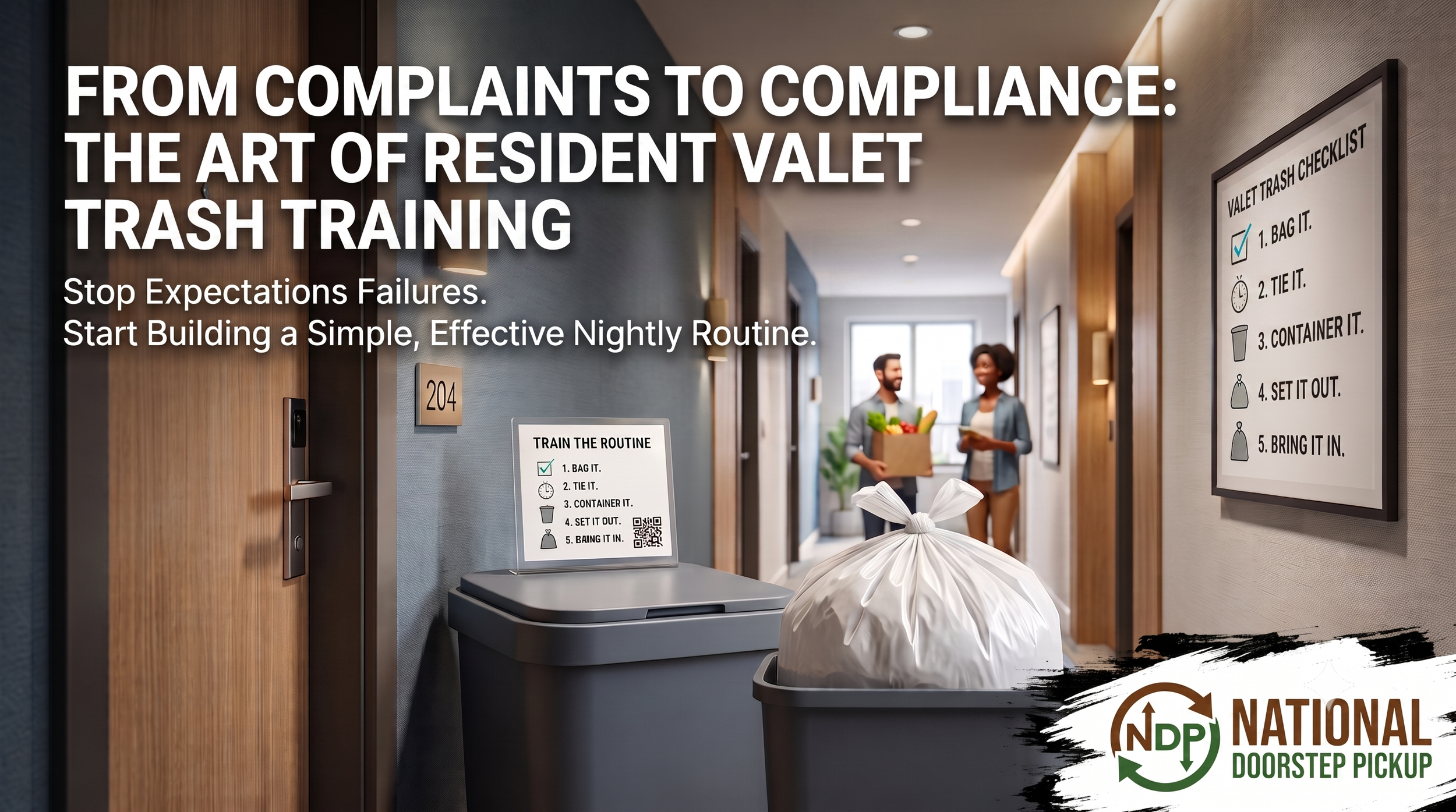
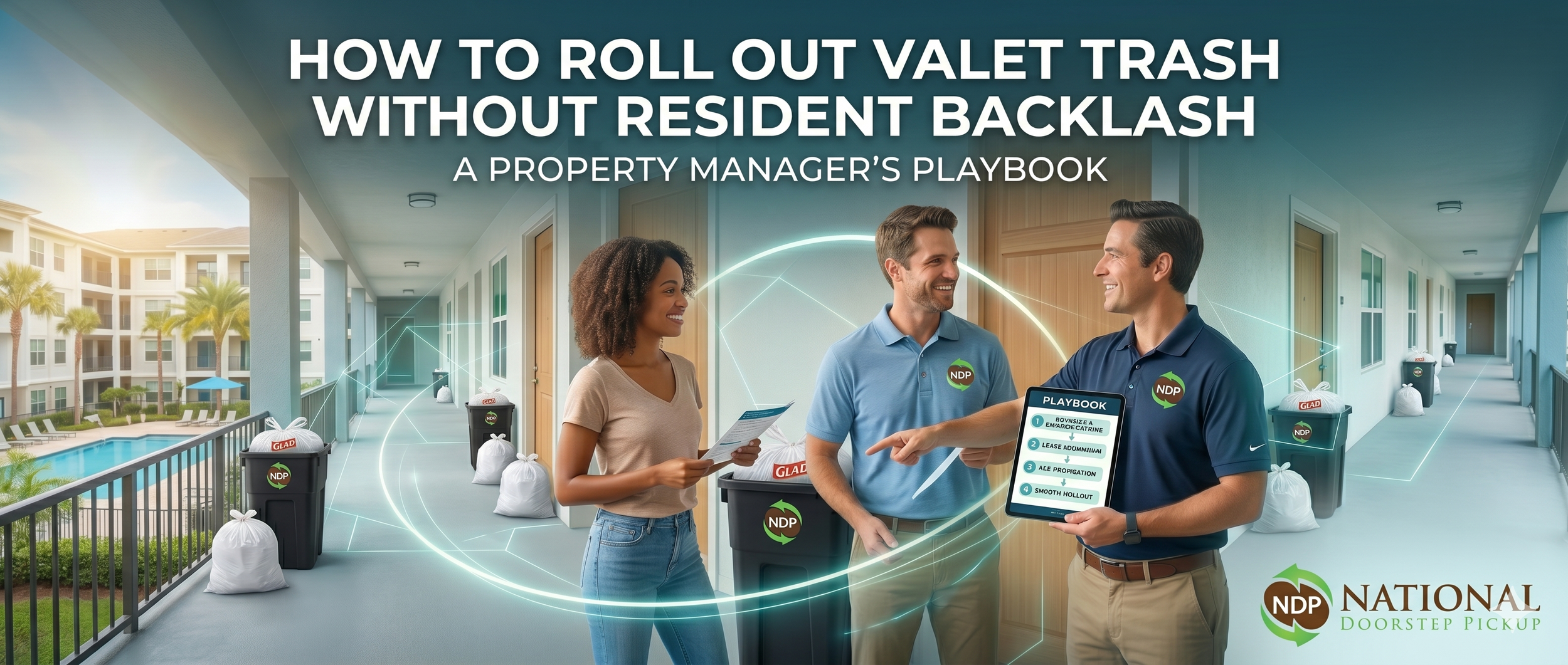
Leaking bags, early trash placement, contaminated recycling, and repeated rule violations can quickly undermine a valet trash program. Learn how property managers can use clear education, photo verification, progressive enforcement, and consistent resident communication to improve compliance without creating unnecessary conflict.
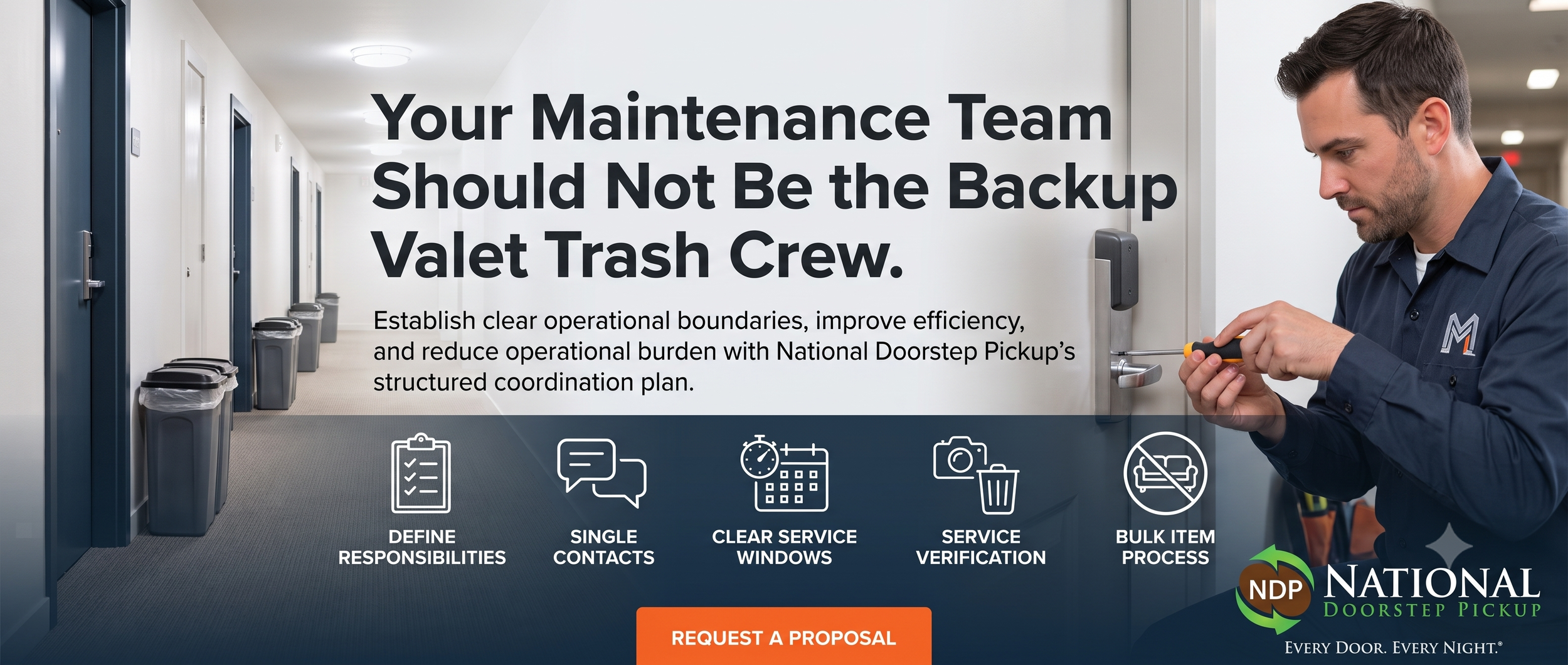
Valet trash should reduce pressure on your maintenance team—not create another list of after-hours problems. Here is how apartment communities can align maintenance, management, residents, and their valet trash provider around clear responsibilities, escalation procedures, inspections, and service verification.
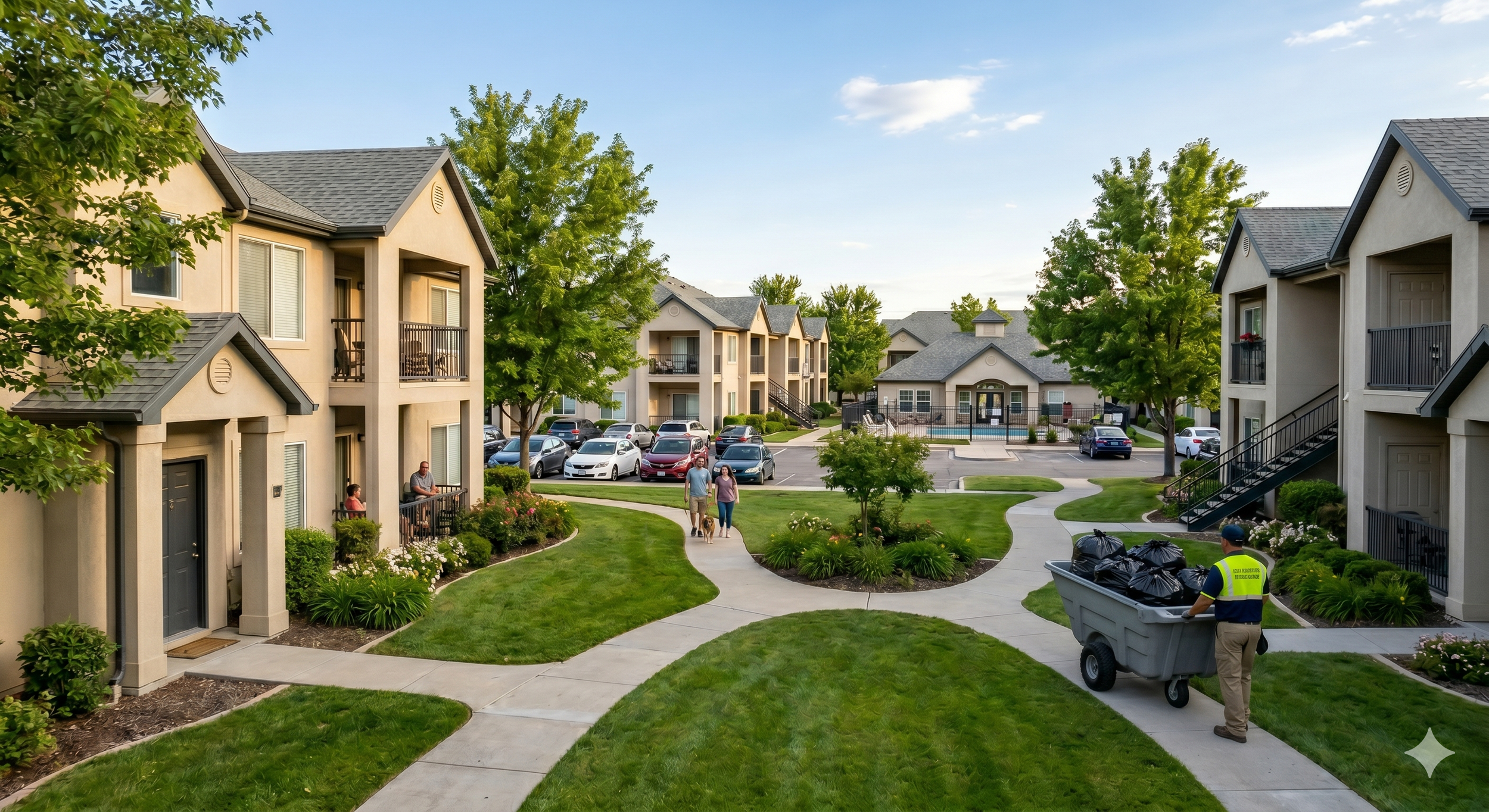
Garden-style apartment communities are beautiful, spacious, and resident-friendly—but their spread-out layouts can make trash collection difficult to manage. A well-run valet trash program helps reduce dumpster overflow, protect curb appeal, improve resident satisfaction, and keep breezeways, staircases, and landscaped areas clean. Here are the best practices every garden-style property manager should follow.
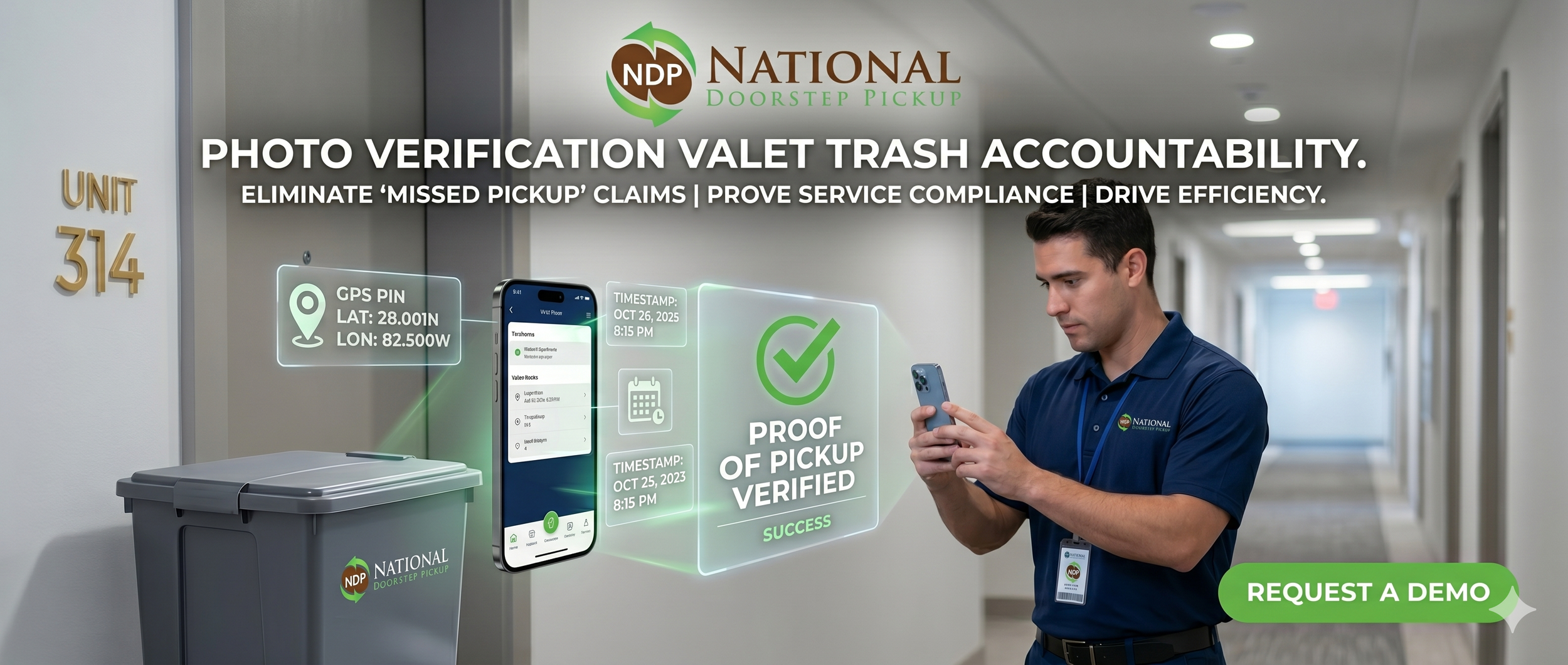
Missed pickup complaints are not just a trash problem — they are a trust problem. Photo verification gives property managers the proof they need to resolve valet trash disputes quickly, document service performance, and hold both residents and porters accountable. With National Doorstep’s Proof of Pickup® and Porter Software, every service event can become a documented record, helping multifamily teams reduce complaints, protect amenity value, and improve nightly valet trash accountability.
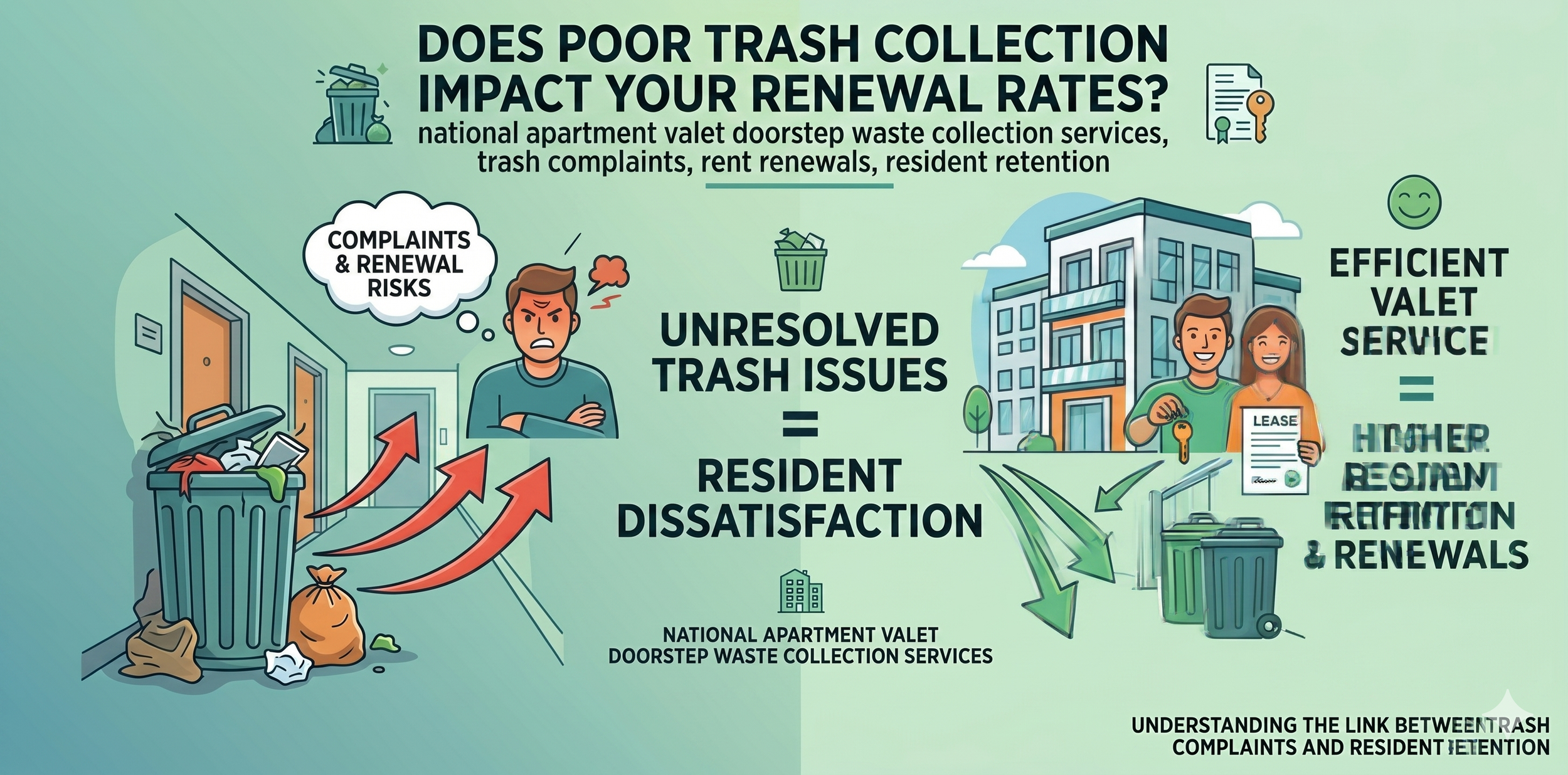
Trash complaints are often treated like isolated maintenance issues. But for apartment communities, repeated complaints about overflowing dumpsters, hallway leaks, bulk trash, odors, and dirty common areas can quietly influence resident satisfaction, online reviews, and lease renewal decisions. Clean communities feel managed. Dirty communities feel ignored. That perception can directly affect retention.
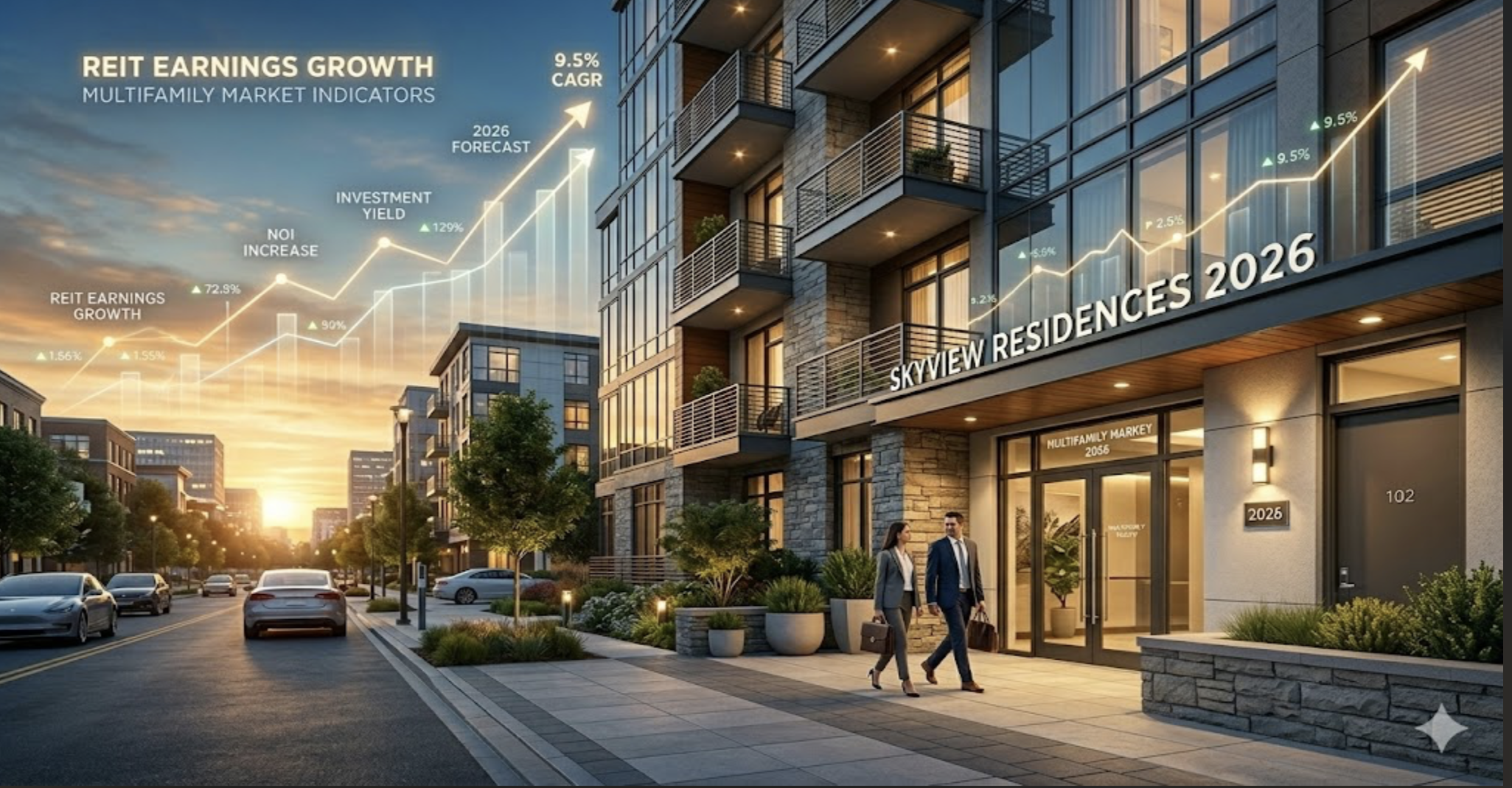
Apartment REIT earnings calls are sending a clear message for 2026: multifamily performance is no longer a national story. It is a market-by-market battle shaped by supply, demand, AI job growth, rent control risk, and operational discipline. For property managers and asset managers, the takeaway is simple: in hot markets, protect the resident experience; in soft markets, protect NOI.
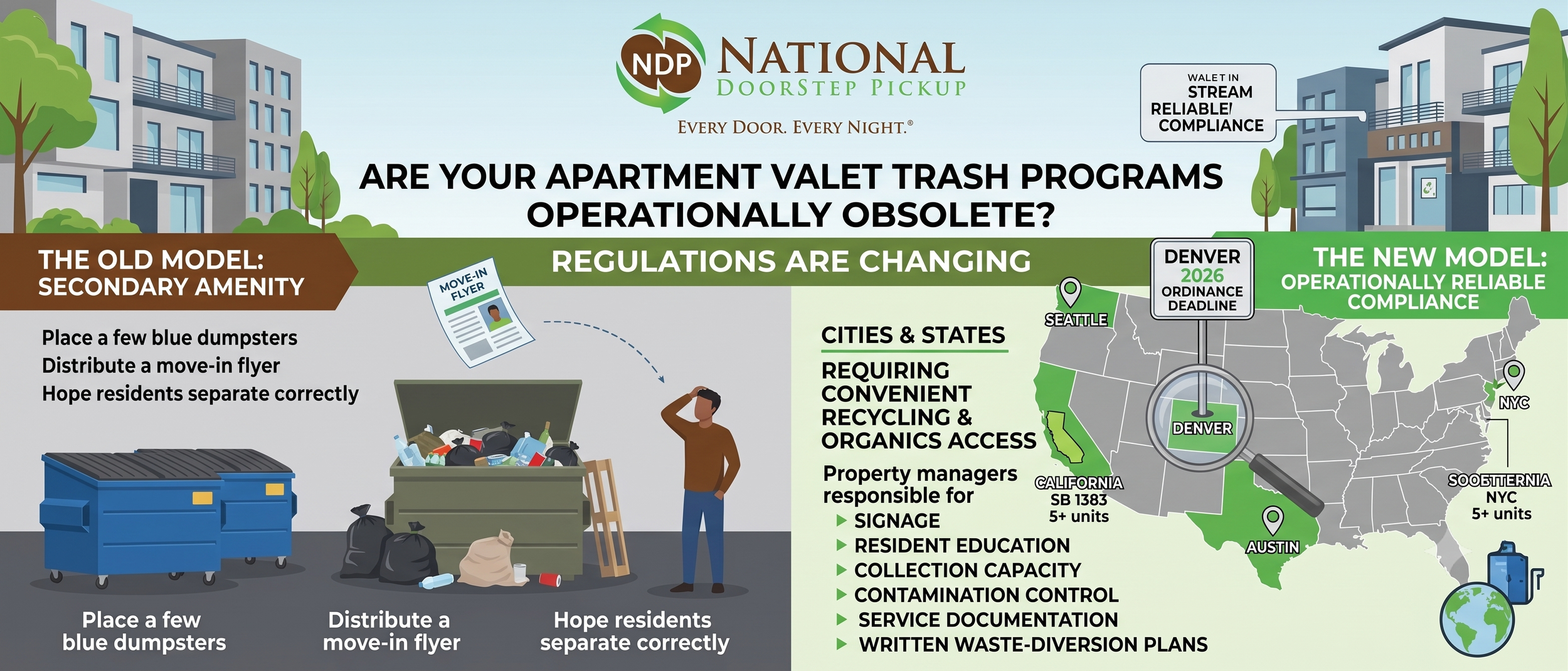
Recycling laws are rapidly expanding across cities and states, placing new compliance pressure on apartment owners and property managers. From mandatory recycling programs to stricter waste diversion targets, non-compliance is no longer a minor oversight—it’s a financial and operational risk.
In this guide, we break down what these new mandates mean for your property, how they impact inspections, fines, and investor due diligence, and the exact steps you can take to stay compliant while improving efficiency and resident satisfaction.
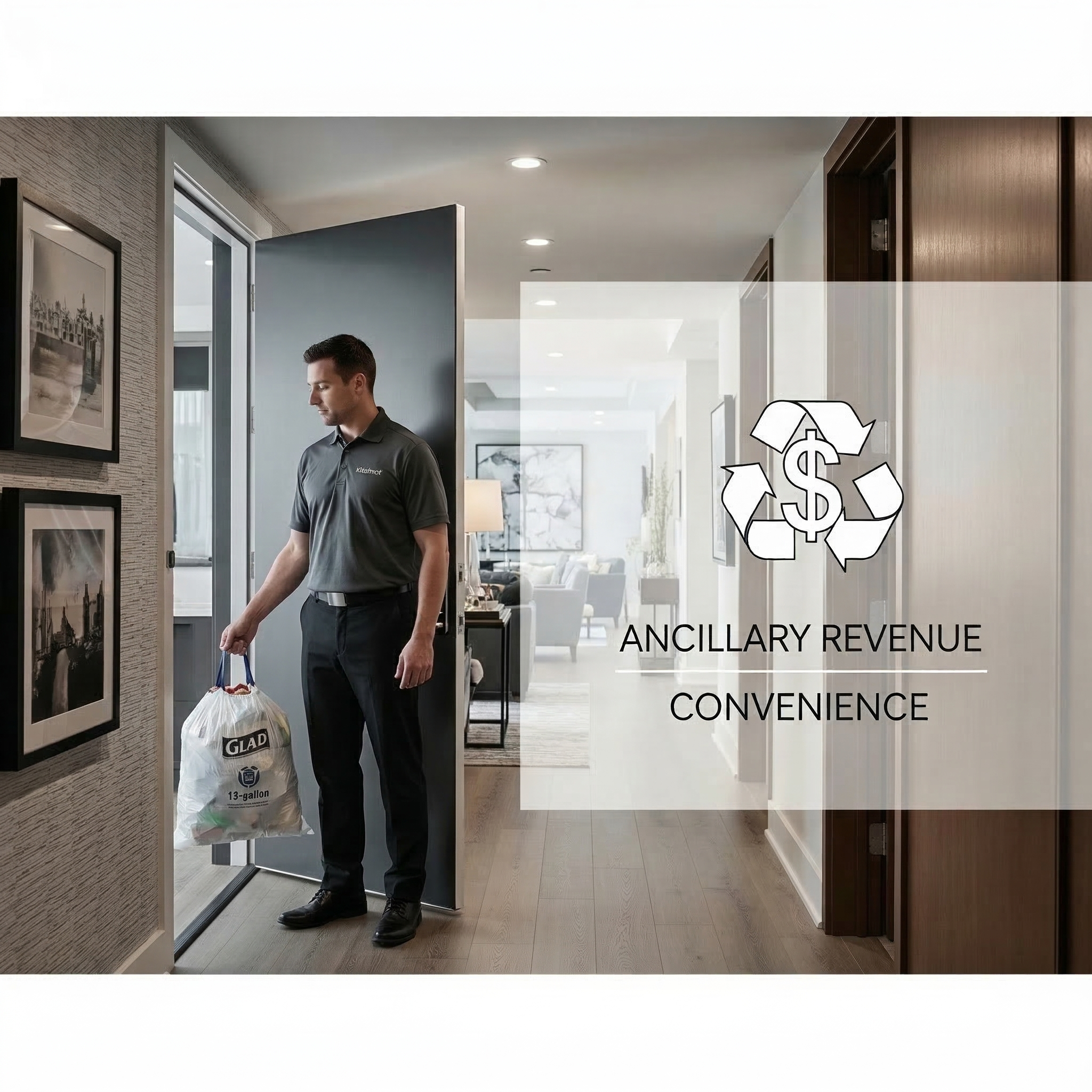
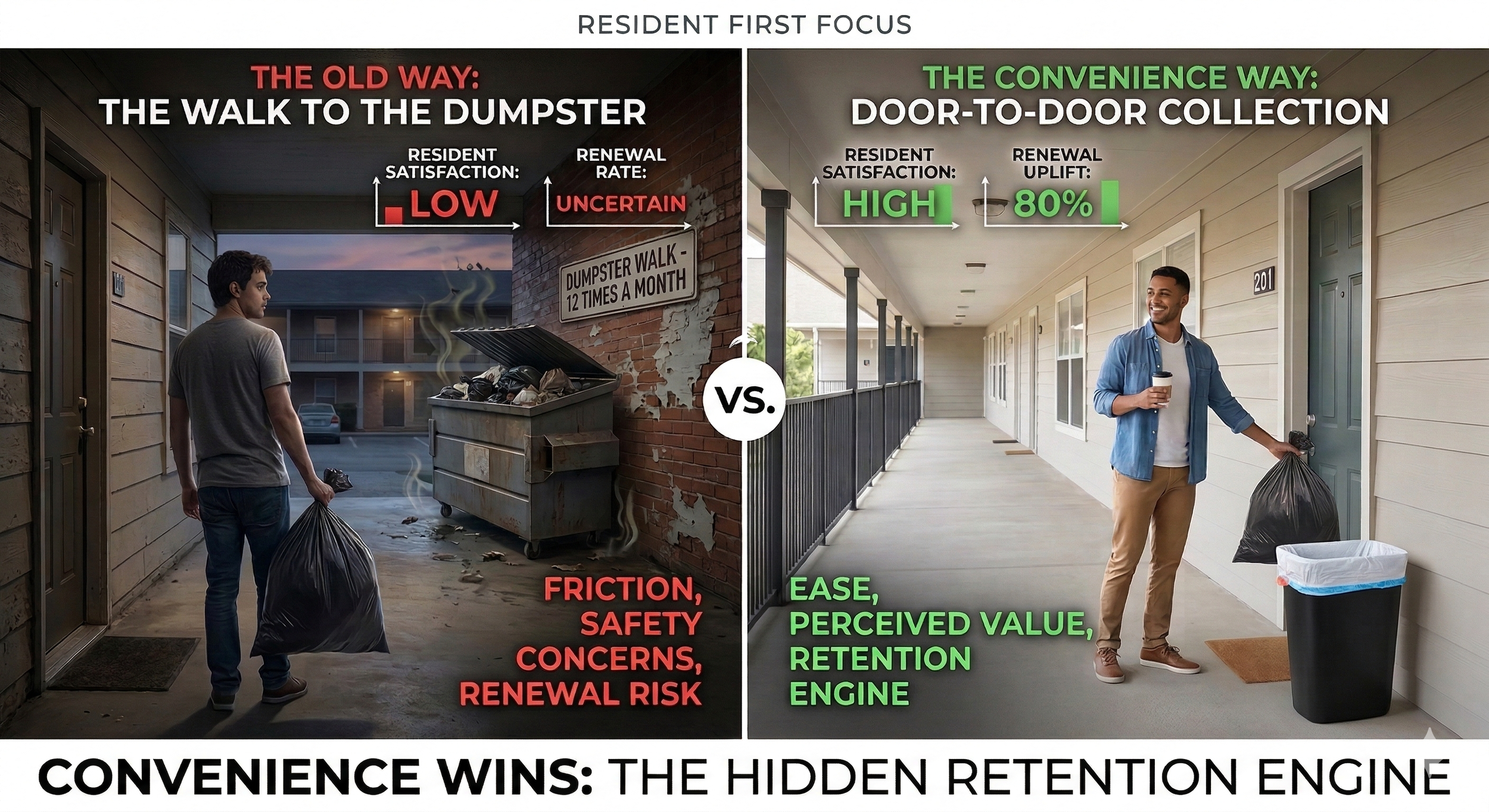
For apartment residents, the dreaded walk to the compactor isn't just a minor annoyance—it's a recurring friction point that quietly impacts lease renewals. What if you could transform this daily chore into your property’s best amenity? Discover why introducing door-to-door valet waste collection has become the secret engine driving unmatched resident retention, cleaner communities, and stronger Net Operating Income (NOI). Read more to see why convenience always wins.
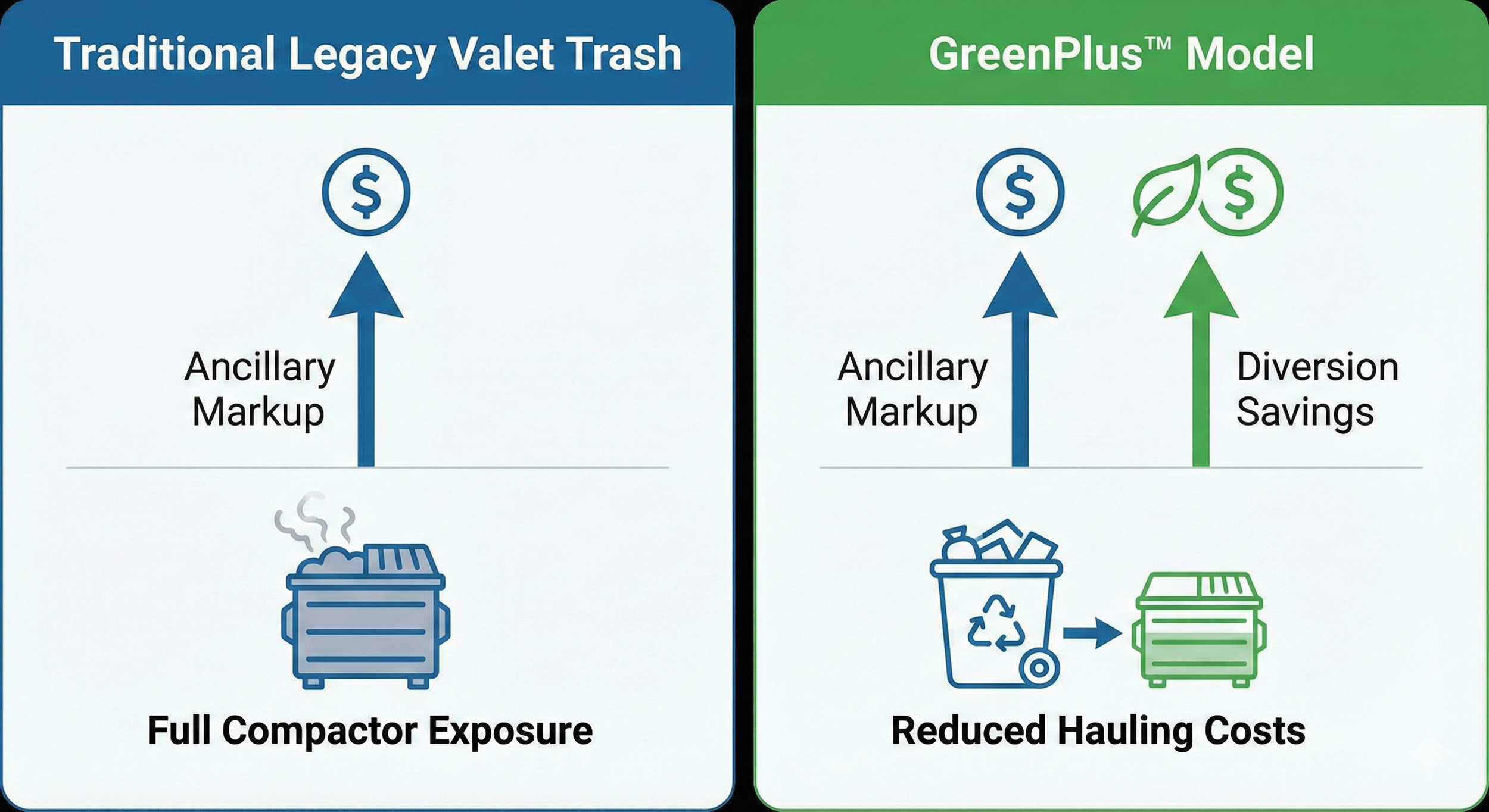
Multifamily operators are facing a tough reality: flat rents, climbing insurance premiums, and escalating hauling contracts. When top-line rent increases stall, smart operators pivot to margin engineering. Discover how optimizing your valet trash structure can significantly protect and grow your NOI.
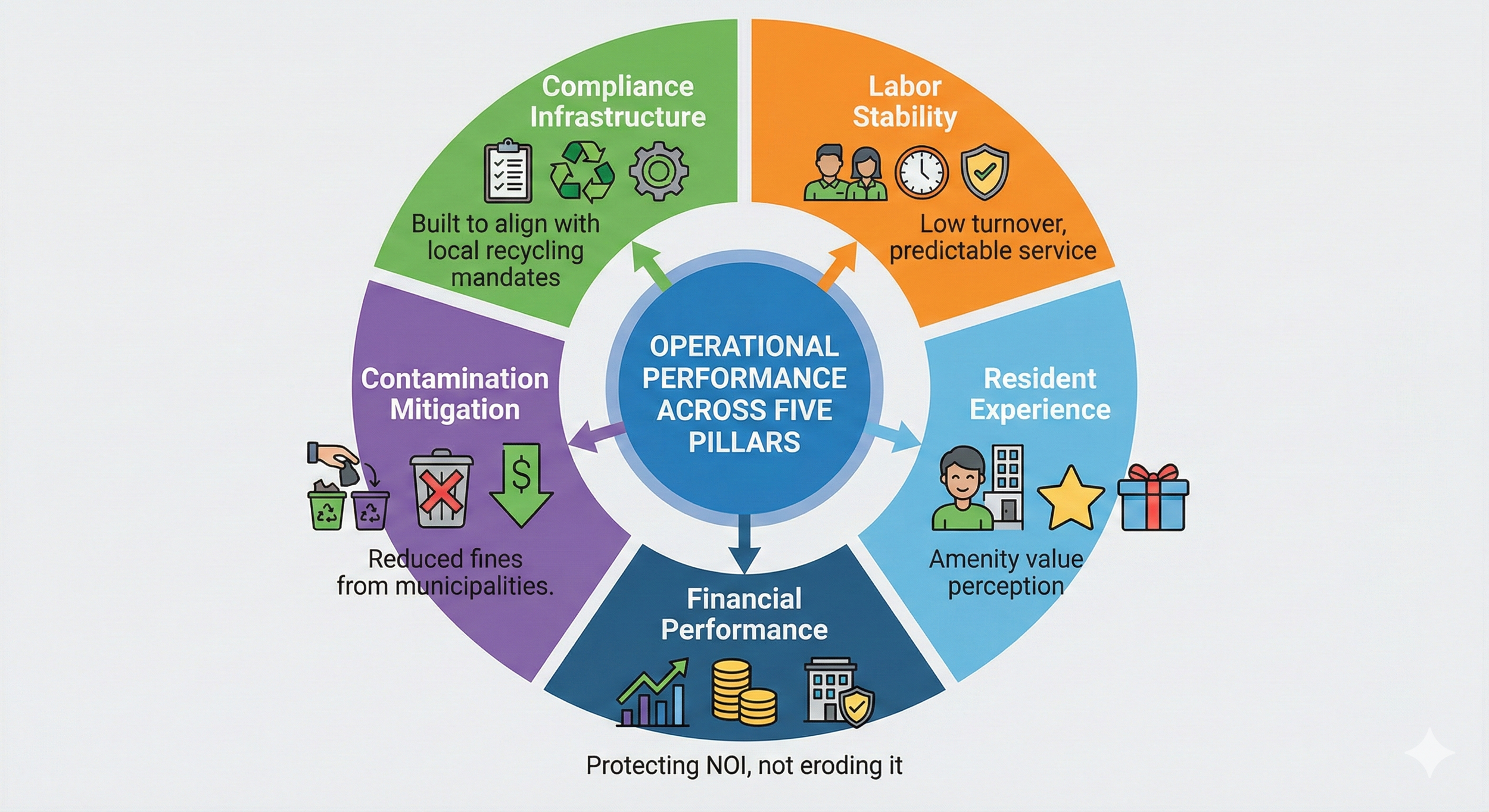
In 2026, multifamily success hinges on operational discipline and resident retention. As landfill fees rise and sustainability mandates grow, National Doorstep Pickup delivers the "Best of 2026" solution: a verifiable, tech-enabled valet trash service that boosts NOI, ensures compliance, and keeps communities clean 5 nights a week.
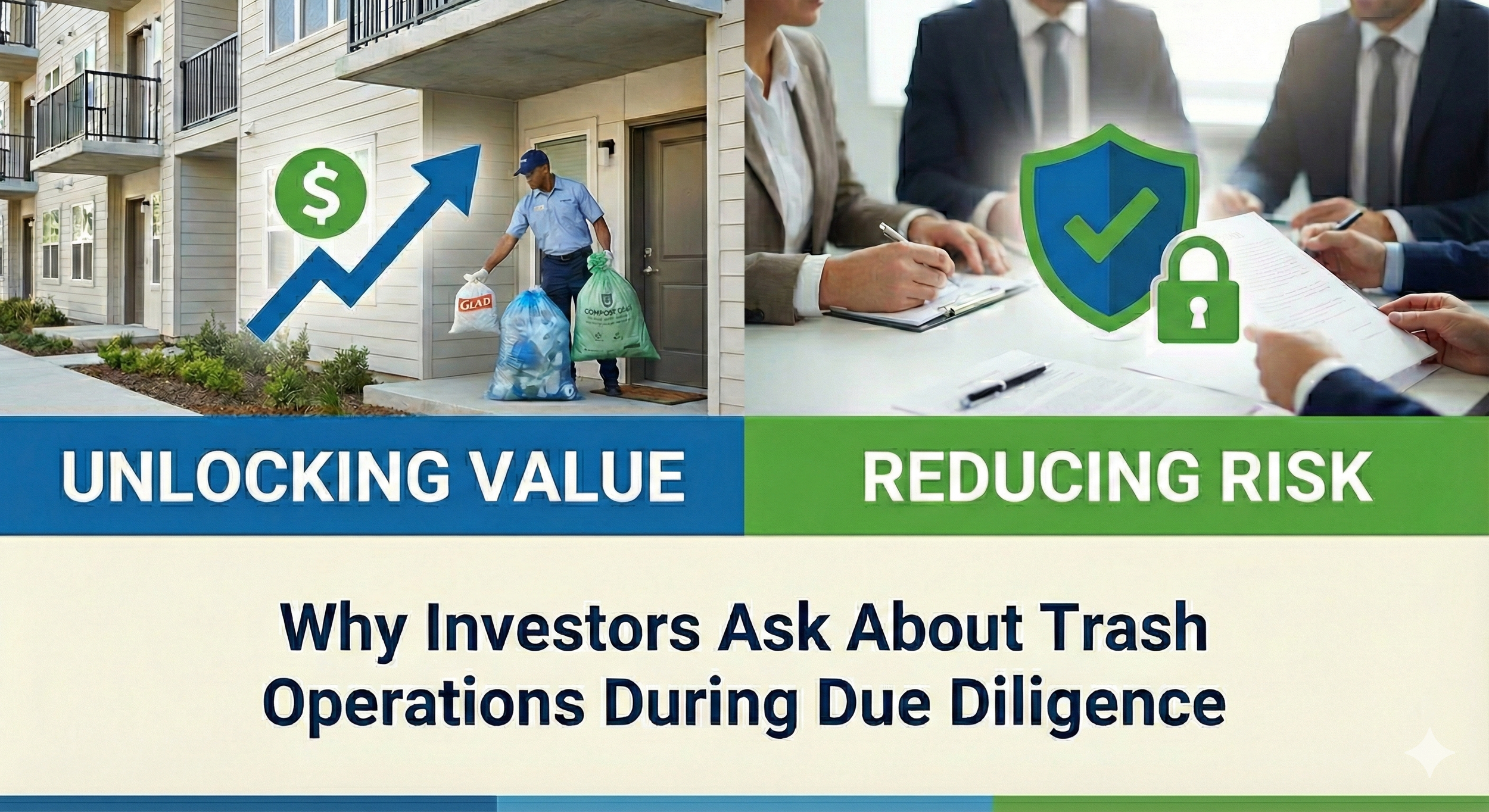
In today’s competitive multifamily investment market, waste operations are no longer just an operational afterthought; they have become a critical focal point during due diligence. Institutional and private investors alike are increasingly zeroing in on trash management systems—specifically doorstep valet trash services—as key indicators of a property's operational sophistication and asset value.
For investors, the scrutiny of trash operations is primarily driven by two factors: risk mitigation and asset value enhancement. Regarding risk, regulatory compliance is paramount. With cities and states expanding waste diversion mandates, non-compliance can lead to significant fines and reputational damage. Investors require assurance that an asset is shielded from these liabilities, looking for structured valet trash programs backed by standardized SOPs and "Proof of Pickup®" verification.
Beyond risk, effective trash operations are a powerful lever for increasing Net Operating Income (NOI). Valet trash is currently one of the most requested resident amenities, directly driving resident satisfaction and retention. Furthermore, a well-managed waste strategy eliminates common issues like overflowing dumpsters and messy hallways, thereby improving curb appeal and online reputation.
To prepare for this level of investor scrutiny, property management teams must be ready with a comprehensive due diligence checklist. This includes maintaining detailed documentation of collection routes and safety protocols, providing clear metrics on resident participation and cost allocations, and demonstrating strict adherence to local regulatory mandates.
Ultimately, trash operations have shifted from a tactical necessity to a strategic asset. By presenting a well-defined, data-backed waste strategy, property managers can significantly boost buyer confidence, secure favorable valuations, and ensure smoother financing processes. In the modern market, a clean, compliant, and documented trash operation is a clear signal of a valuable, well-managed asset.